The highlight of this month must be Kyoto. We took the opportunity when dad could make a dash out of work and headed to Kyoto. There was lots of excitement because we could once again experience Japan, we did it in winter last year, and was in Fukuoka in march, and this summer we headed to Kyoto, the trips before this very much seeded this one.
We flew on ANA -a new carrier we experienced and it was not bad, the flight was at 615am and Qinzhi woke at 3 ! She said she was excited and could do the early flight, and that inked the deal. We were at the airport and checked in in time, then transited via Narita , had lunch and headed for Itami.
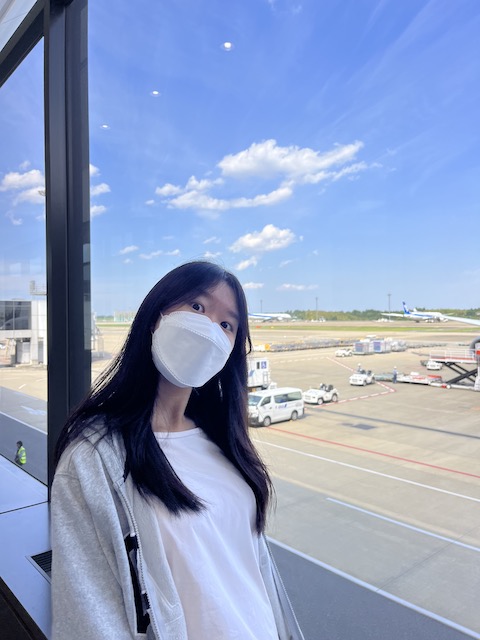
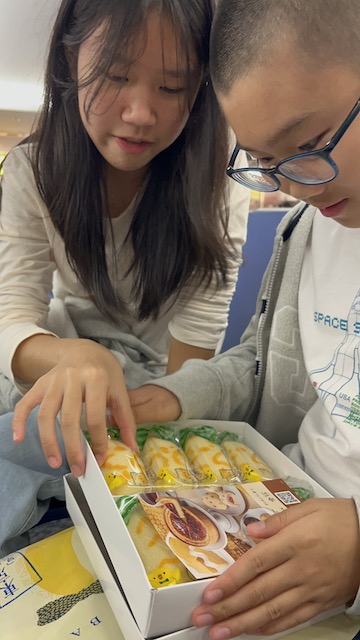
We drove a smaller car this time but had equal or as much fun exploring Kyoto. We headed straight to Arashiyama for the night.
Arashiyama is a district on the western outskirts of Kyoto. The area south of the Hozu River is known as Arashiyama; to the north is Sagano. Sagano extends to the picturesque hamlet of Kiyotaki at the base of sacred Mt. Atago.
That night we were there, the strawberry full moon was there too, and it was really magical driving on Togetsukyo, the bridge which connected Arashiyama and Sagano.
Togetsukyo Bridge spans the Hozu River at the foot of Mt. Arashiyama. It is 250 meters long and still retains its 17th century appearance, despite more recent renovations made using steel.
We were just driving to find the accommodation, get water and saw how the moon hanged low, jaw dropping low. Then we had supper which was deep fried sticks of all sorts of ingredients, or kushikatsu.
We rose early the next morning and headed to the Arashiyama Bamboo Grove. The early morning air was really fresh and the most magical thing was birdsong, there really was a tune in there!
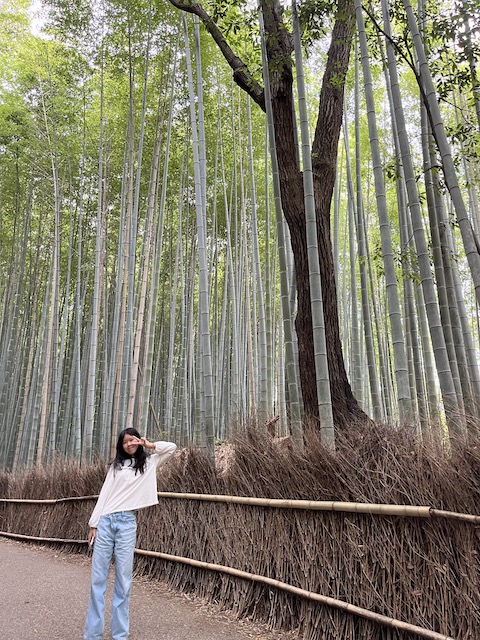
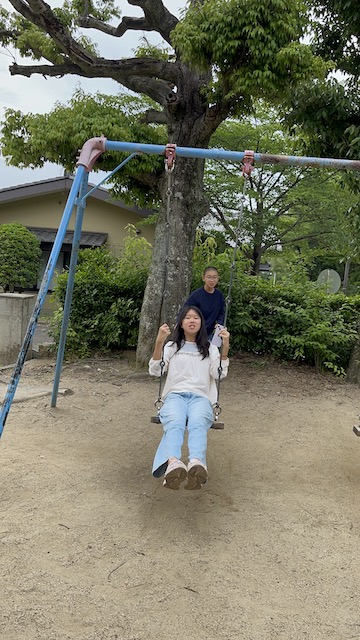
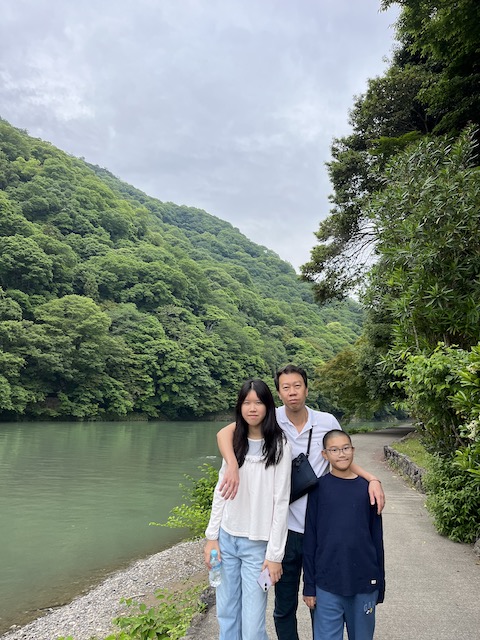
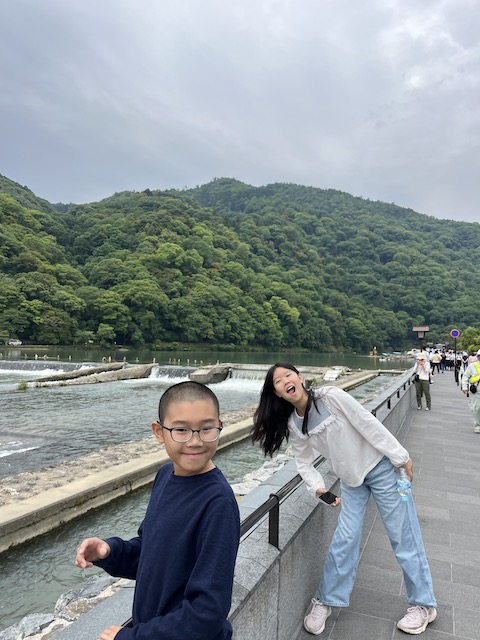
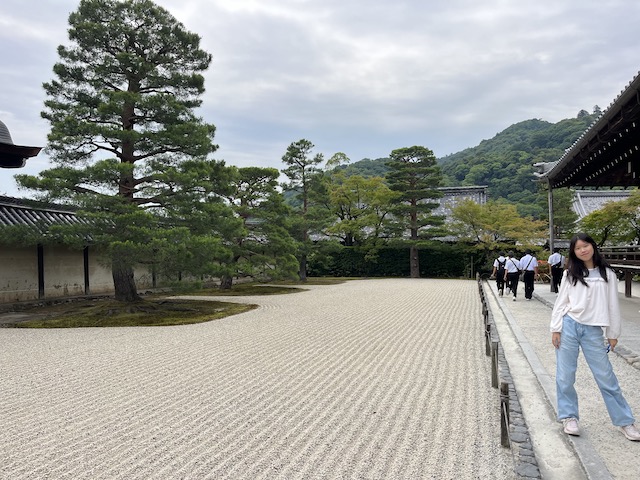
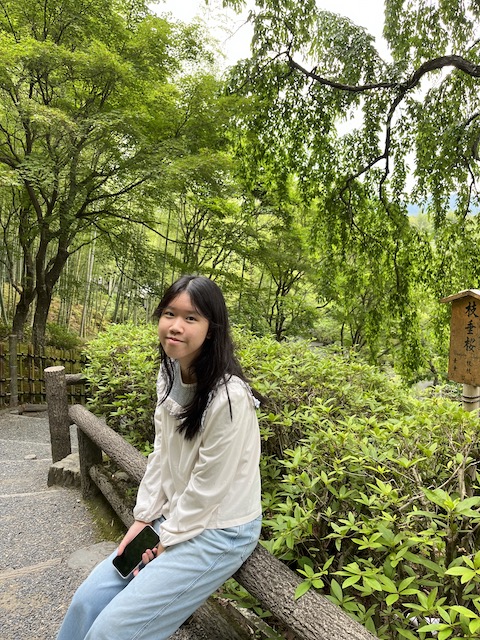
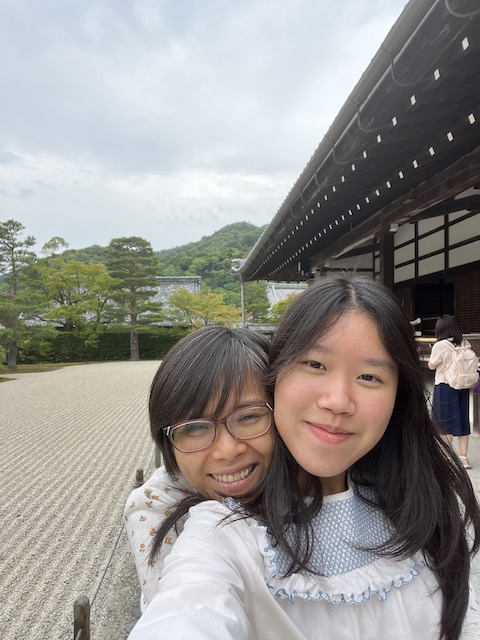
There was a playground and Qinzhi and Huaihao could play for a while. Then we strolled and headed towards the riverside and back up the shops before we had the spectacular Shigetsu lunch, strolling the gardens of Tenryuji and breathing in hydrangea of all varieties in bloom.
It is beautiful and impactful to see how nature evolves and changes in the seasons, we were there in winter and now colours are popping up everywhere. The feeling of opening up, is so inviting I could feel it in my body. Each flower bush I passed by, they just invited you to open up
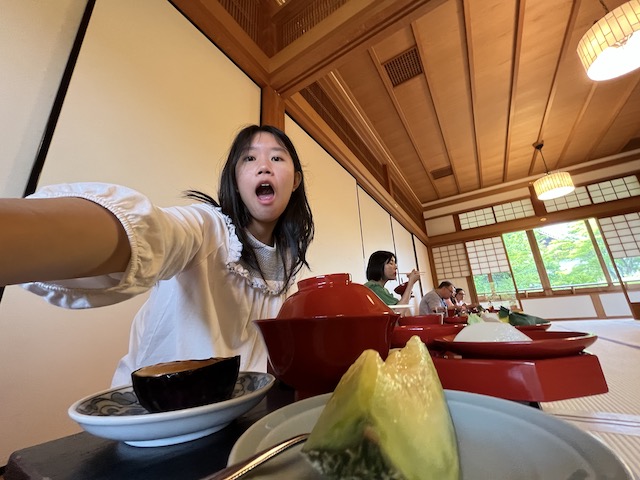
The wonder at Shigetsu-our second time here, stands. But Qinzhi was so tired she ate till she almost zonked out!
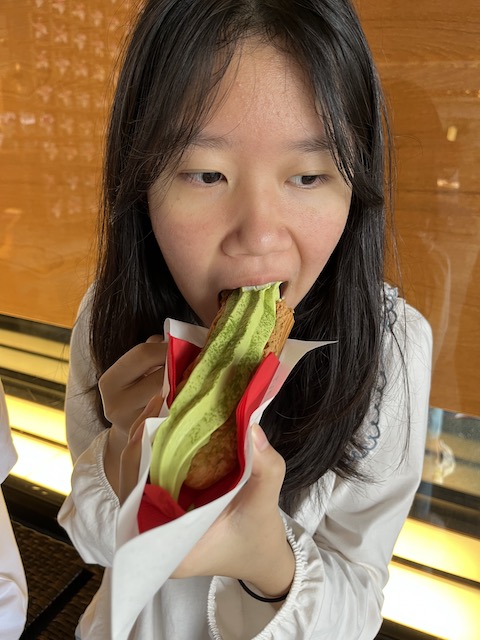
After lunch we had desserts, which so so good and before we drove to Ine,
The village of Ine has been recognized to be among Japan’s Most Beautiful Villages. Without much room to build between the mountains and sea, the villagers created this village right along the waters of Ine Bay (in Kyoto Prefecture), one of UNESCO’s World’s Most Beautiful Bays, and the 230 “funaya” (boat houses) that line the bay trace their origins back to the Edo period.
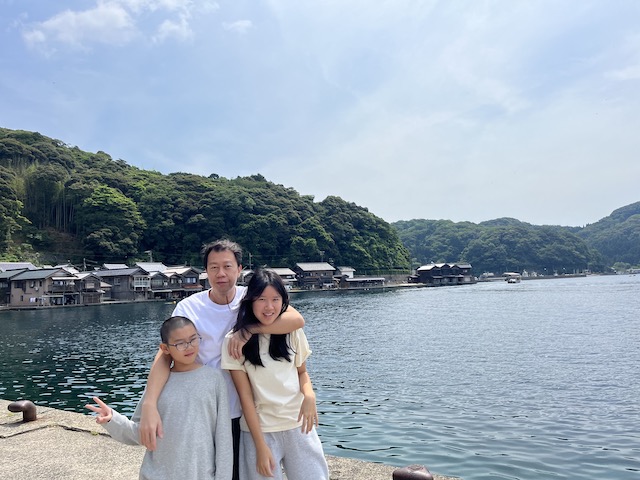
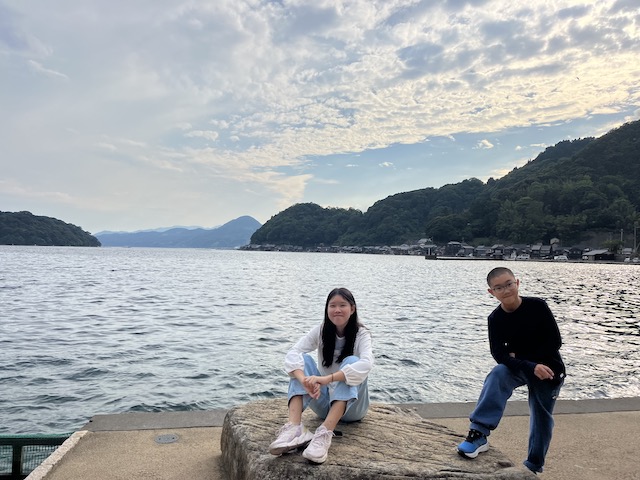
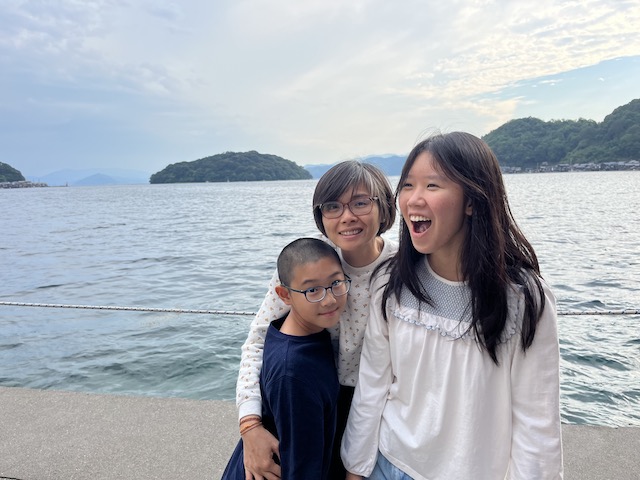
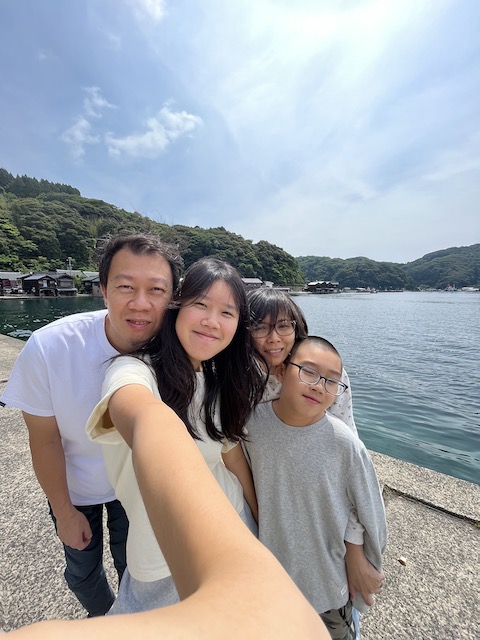
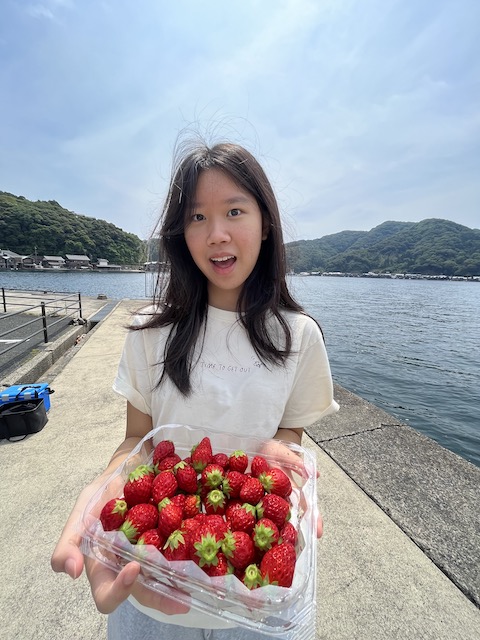
We had a chance to stay in one of these exceptional funaya and had the whole space to ourselves! There were 2 levels and the kids could explore and wonder and even a cypress bath.
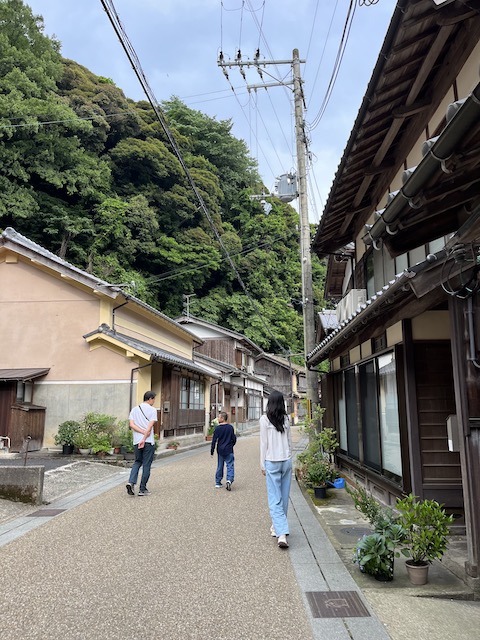
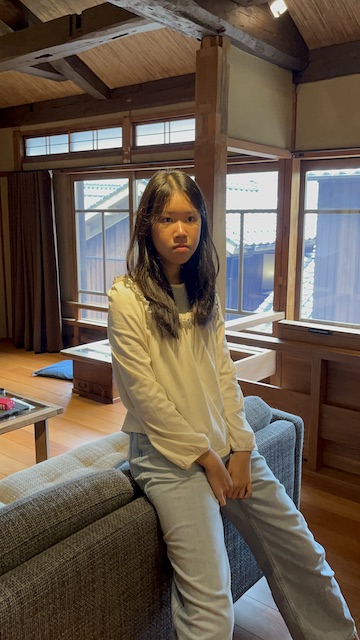
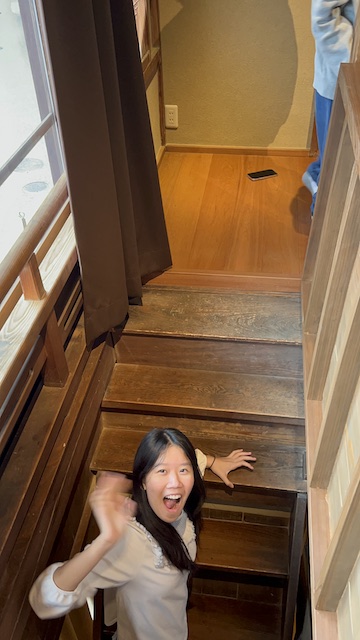
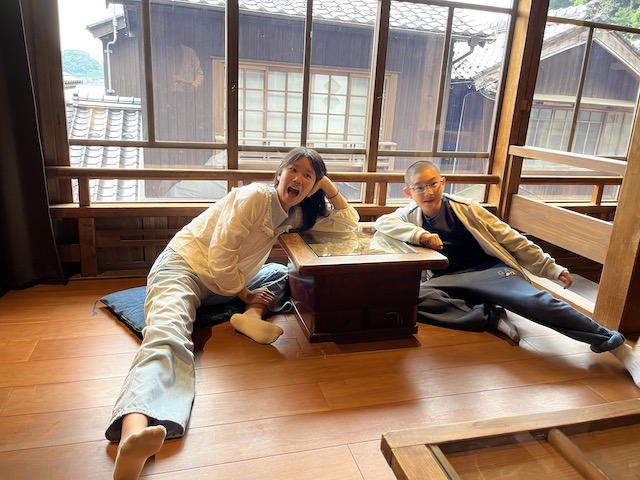
The Sea of Japan can be unforgiving, especially during the winter months with wave swells measuring meters high. But Ine has nothing to fear because the village is enveloped by mountains that separate it from the Japanese Sea. Geographically, Ine faces south. As the Sea of Japan (to the north) wears away at the cliff faces of the Tango Peninsula, Ine remains safely nestled within a lush mountain-scape. What’s more is that the mouth to Ine Bay has a sacred uninhabited island called Aoshima, which also helps to keep Ine Bay calm, and its boat houses safe from large tidal fluctuations.
Traditionally used in conjunction with houses to stow boats and provide extra storage/living space, now many of these historic buildings have been converted into Japanese inns, living spaces, and quaint cafes while still retaining their original designs. The people of Ine still live in harmony with the sea as the bay is a fishing port, and a pamphlet I found in the tourist office reminds you that Ine is not a scenic spot nor historic site, but a living space and it wants visitors to be mindful of the lifestyle of the villages, mainly fishermen who head out to sea in the early hours of the morning, it asks of visitors to bike or walk but not drive.
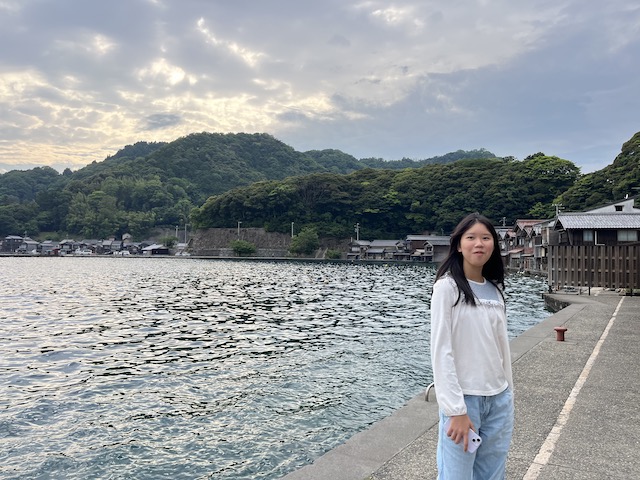
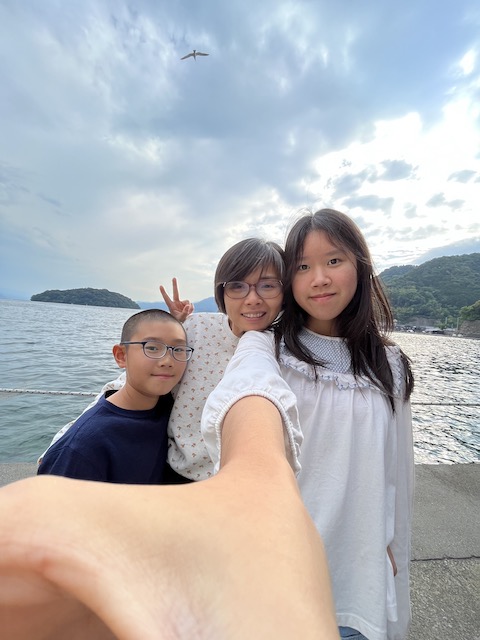
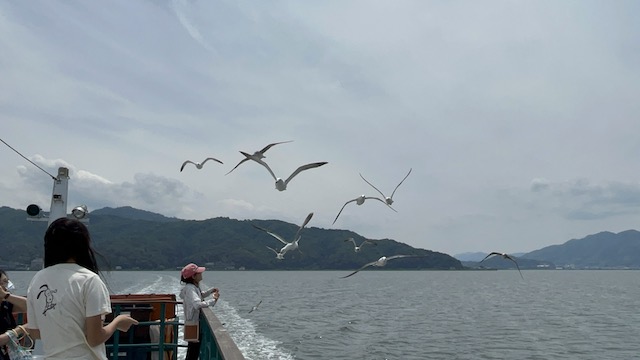
It’s very quiet in the bay and it felt like you could have it all to yourself, except for the occasional stir of the air by black kites and the seagulls, a few came so close because the kids were holding on to food, one scratched Qinzhi’s hand and skipped pass Huaihao’s shoulders!
Ine is very exquisite and if you did not book early, everything in town would be snapped up, including dinner. But we managed to in time, with help from the tourism office and had a very omakase dinner of seafood and fresh catch!
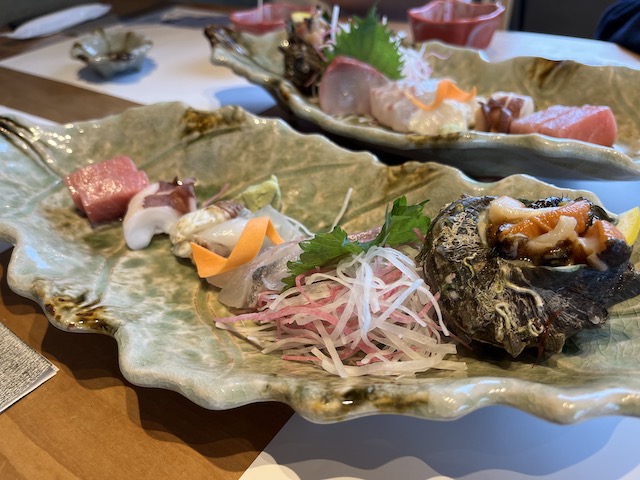
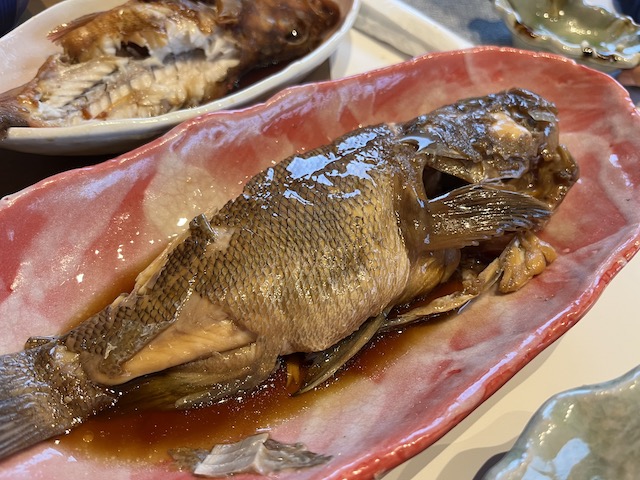
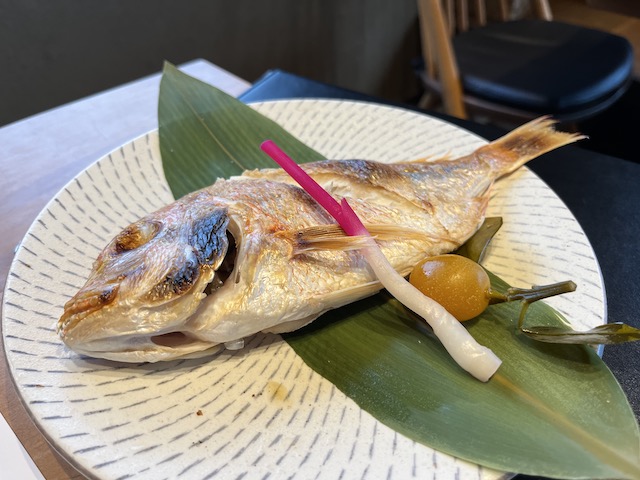
Then we headed back to the funaya and rested for the night -along with our cypress bath!
The next morning we drove to Amanohashidate
Where is the most beautiful place in Japan? Japan has narrowed it down to three. Japan’s “Three Scenic Views” are comprised of Matsushima in Miyagi, Miyajima in Hiroshima, and Amanohashidate (here in Miyazu, Kyoto).
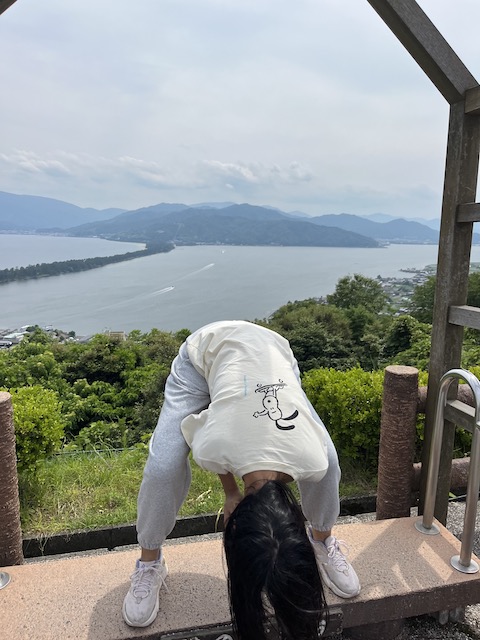
Amanohashidate is an iconic land bridge that straddles the Aso inland sea and Miyazu Bay which connects to the Sea of Japan. The land bridge itself has thousands of pine trees of all different varieties with beaches on both sides spanning 3.6K. From one of the scenic overlooks, you can get a unique perspective of the scene by looking upside-down between your legs. The sea and bay reflect the sky and the pine forest turns into a winding green dragon crossing the heavens.
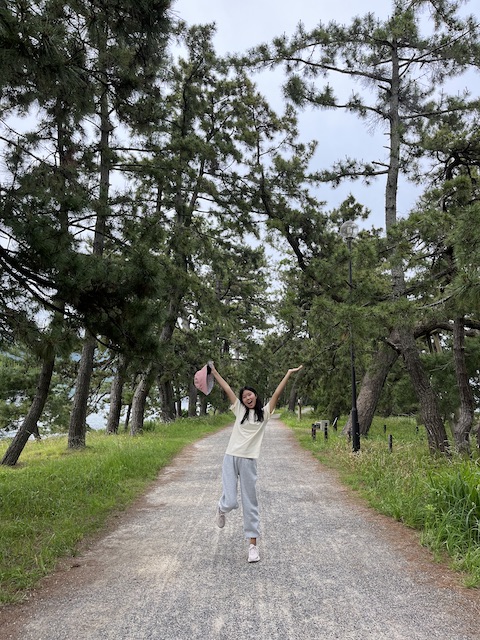
Walking the sandbar, which is said to have appeared like a floating bridge from heaven, a gift from the gods that gave Amanohashidate its name, is a dream: a gentle 4 kilometre stroll of about an hour. There are others around us either walking or cycling, families out for the day, and fellow tourists, but it is never crowded.There are eight thousand pine trees on the sand bar.
We drove to the Monju Area (train station side) and had a wonderful lunch of fresh catch!
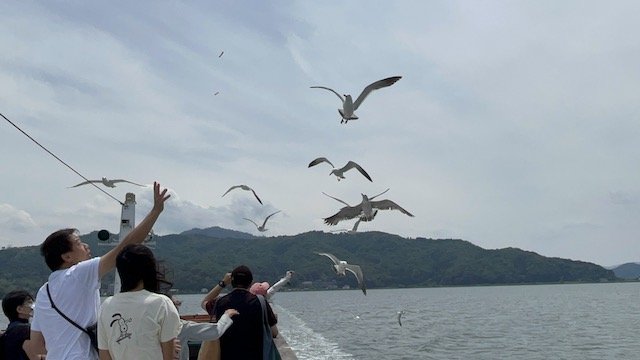
Then took a ferry to the other side, or the Kasamatsu Area (far side of Amanohashidate land bridge). The ferry was amazing because the seagulls and black kites were flying right above us to get the crackers passengers fed them,
We did not visit any temples at this side of Amanohashidate but took a chairlift up the Kasamatsu Park, to get an overview of this area.
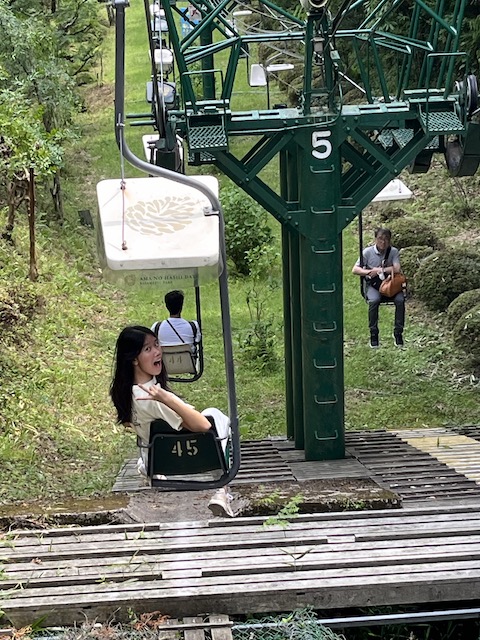
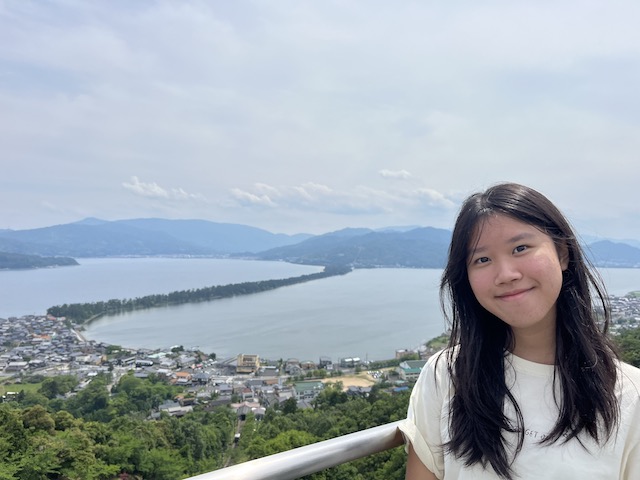
The kids had some fun bending down and looking out at the viewpoint then we took the chairlift down and strolled back towards the land bridge.
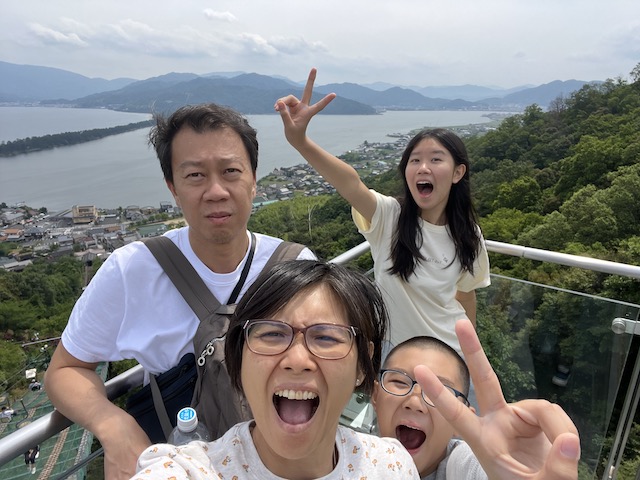
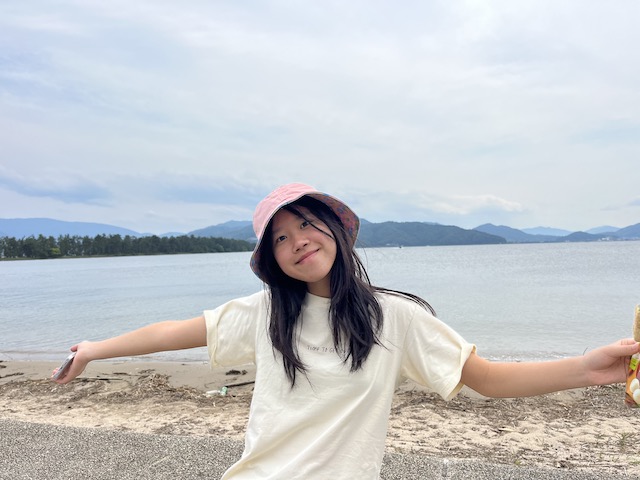
In the midst, taking a stop to feed more seagulls and black kites, while taking note of some spectacular pine trees
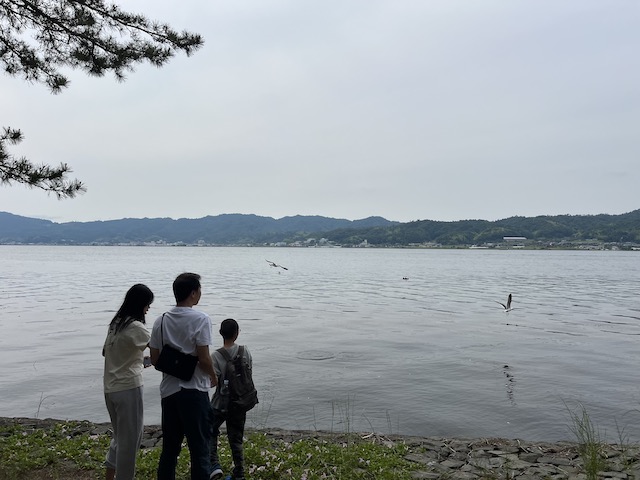
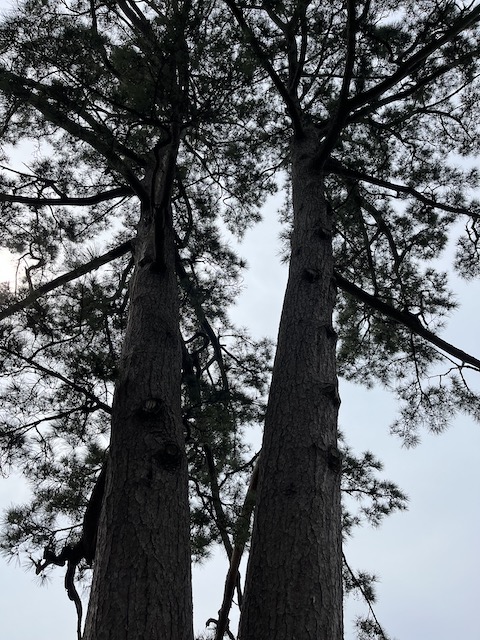
The stroll was an easy one and we walked back to the Monju side and treated ourselves to more japanese sweets!
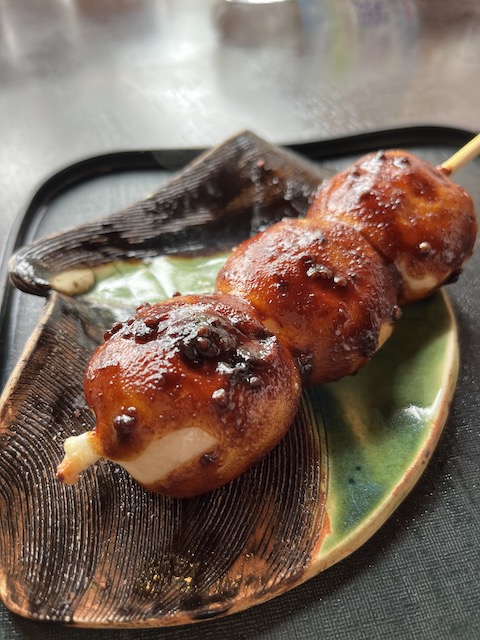
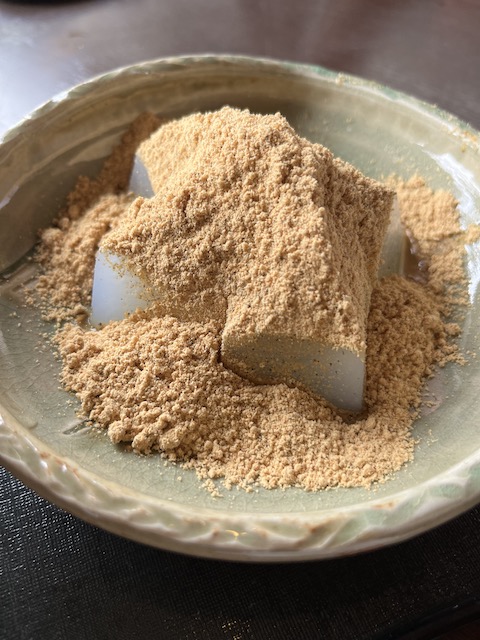
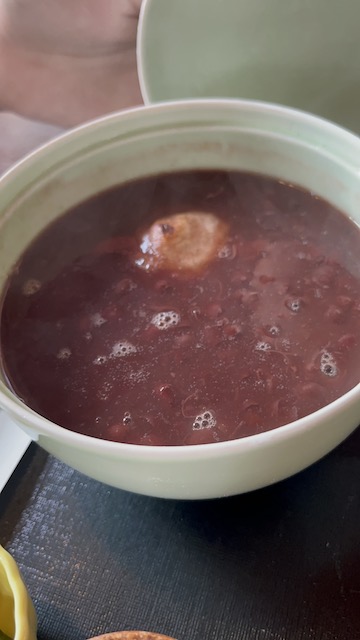
We had dinner driving out to Miyazu, because we did not have the foresight of reserving for dinner, a lot of places could not take in more reservations. We walked to a few opened restaurants but all of them were full.
The next morning we headed back to Kyoto via Miyama, a quaint village of thatched houses. Kayabuki no Sato is the most visited attraction in Miyama. Almost the whole village is composed of old thatched houses and is carefully maintained as a cultural heritage site.
But the kids did not want to get down, so we only drove past! So we only checked out the shops and had ice cream before I did my usual round of checking out farmer’s markets!
It’s unbelievable that produce is so affordable in japan, a cauliflower or broccoli costed maybe just under $2. And a bag of potatoes would be a dollar to two. It felt like people ate well and really close to nature.
Before we knew it, we were in kyoto, I managed to get a reservation at a ryokan in kyoto and we could do the onsen.
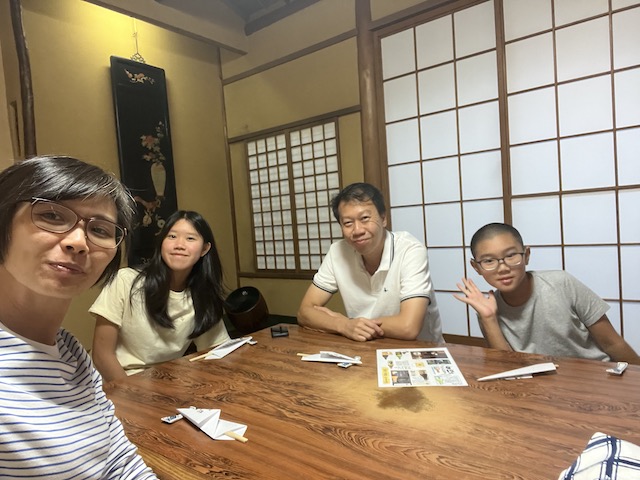
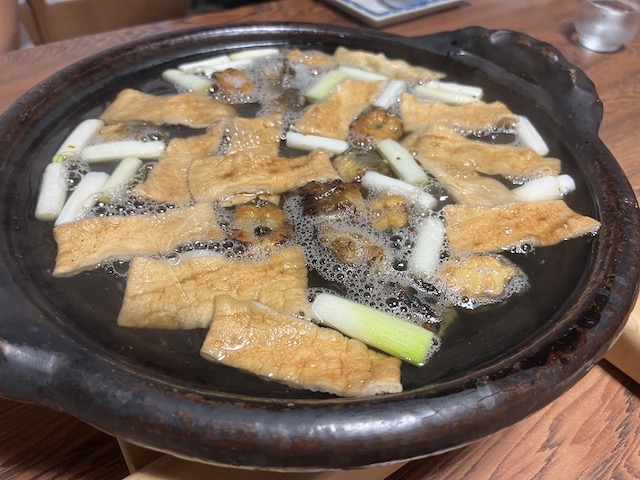
But the highlight of the night would be Warajiya, a 400 year old inn that was converted to an unagi restaurant serving its specialty of unagi soup and porridge, quite like no other.
The next day we wondered around town first heading to Kiyomzudera temple then shopping our way pass Sannenzaka and Ninenzaka towards Gion.
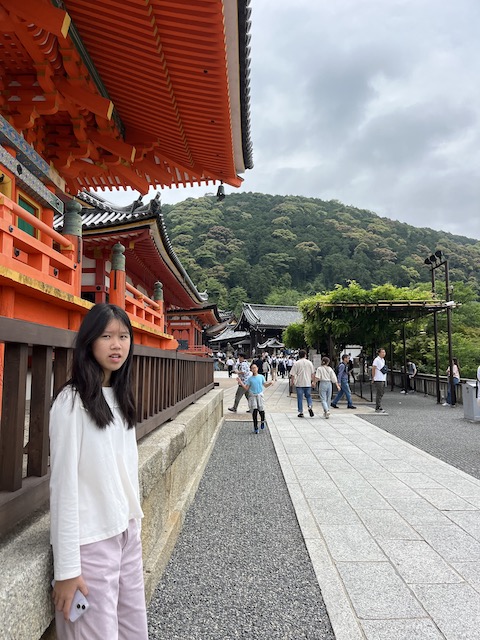
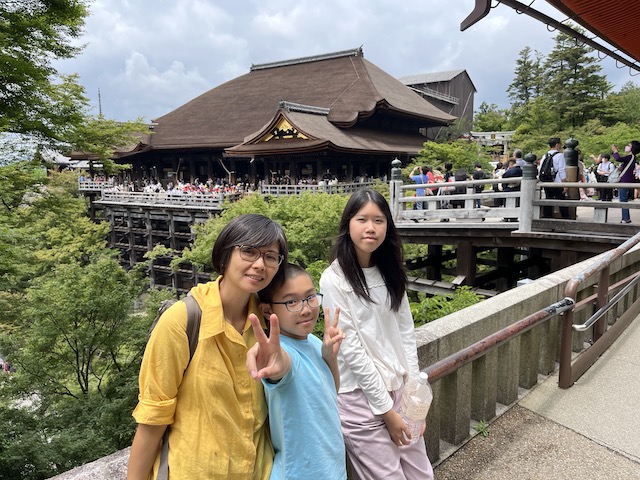
Sannenzaka and Ninenzaka consisted of winding streets and traditional wooden townhouses, there was so much to eat here, we bought at almost every sweet shop we stopped by seeing how the Japanese reinvented the matcha into contemporary sweets. There were also traditional sweetshops that were hidden that we needed to come back for again.
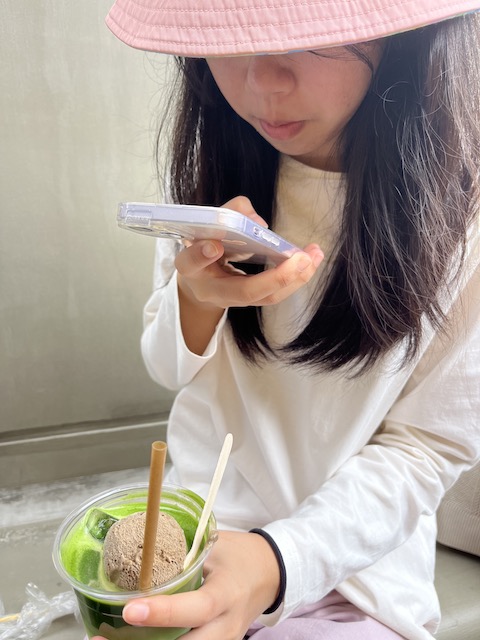
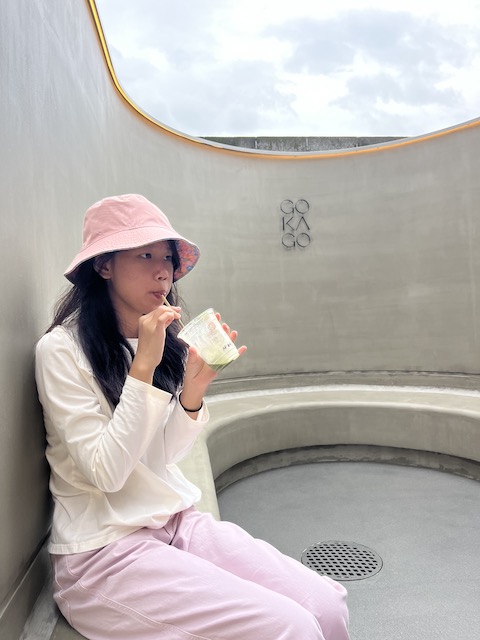
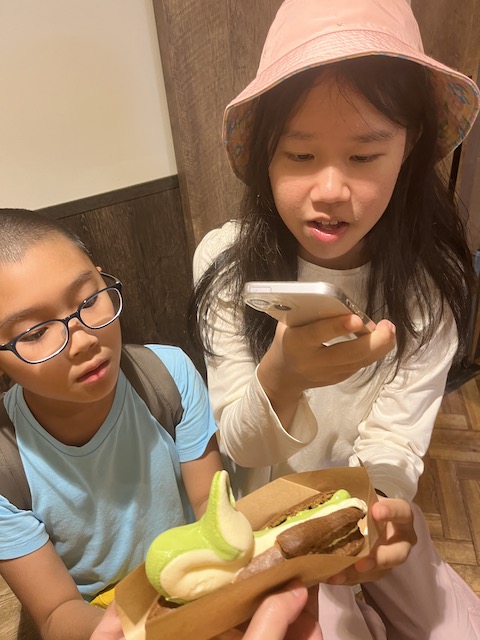
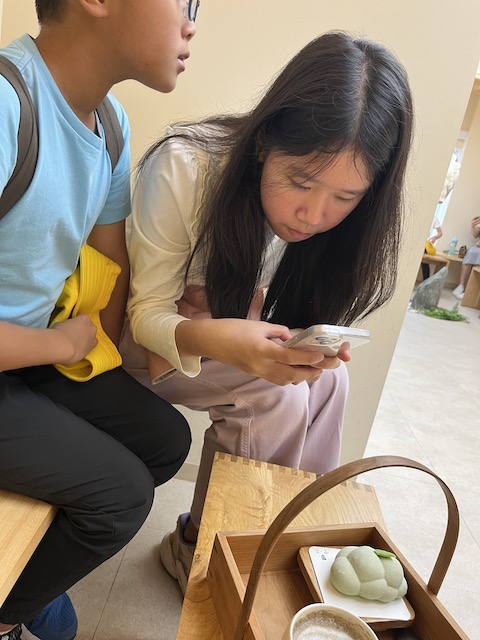
Okutan Kiyomizudera was a tofu spot that we found and even after having so many sweets we just had to make a stop there .
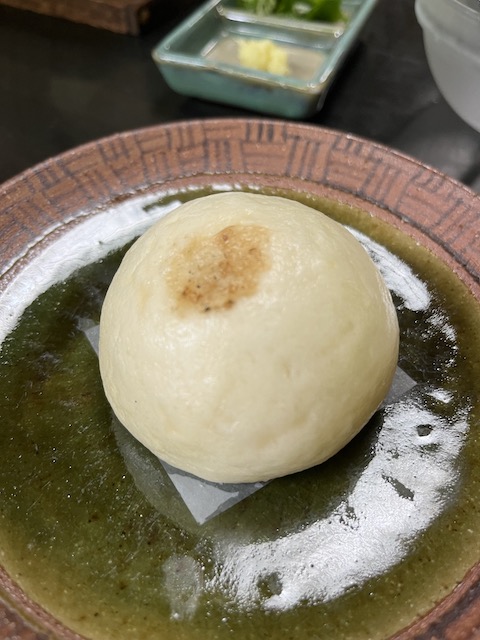
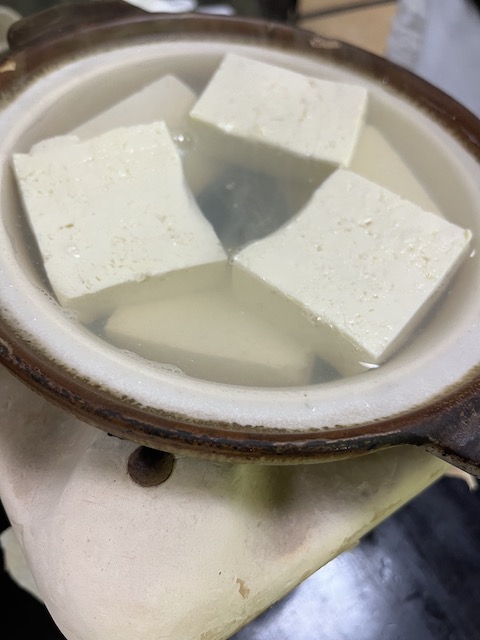
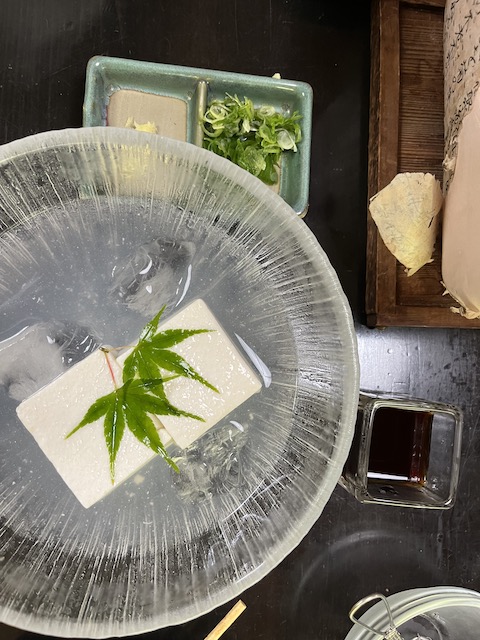
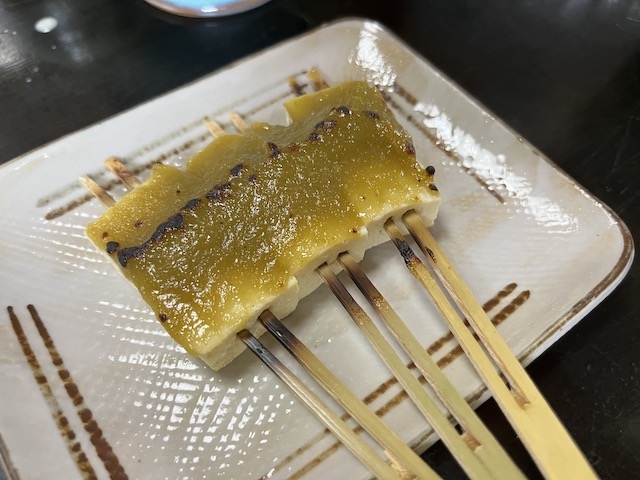
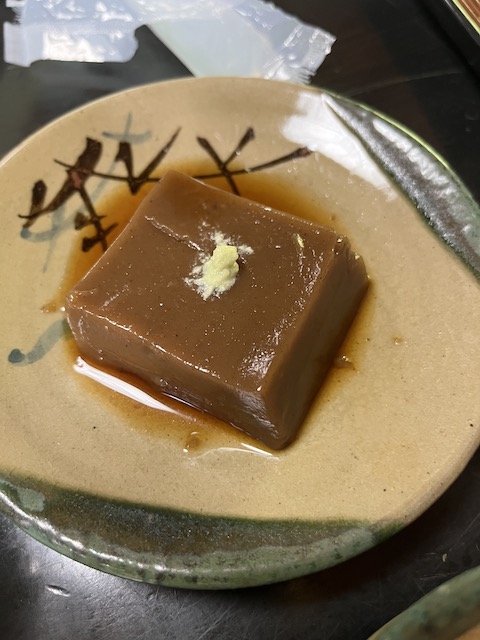
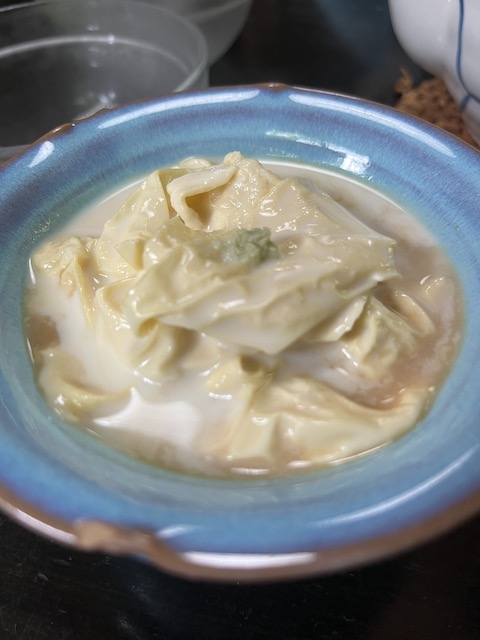
And we had tofu course for a late lunch before continuing our still to Gion — Kyoto’s most famous geisha district. Geishas (or geiko in Kyoto) are professional cultural performers trained in traditional arts. If you strolled here in the evenings, you would most probably come into encounter with one.
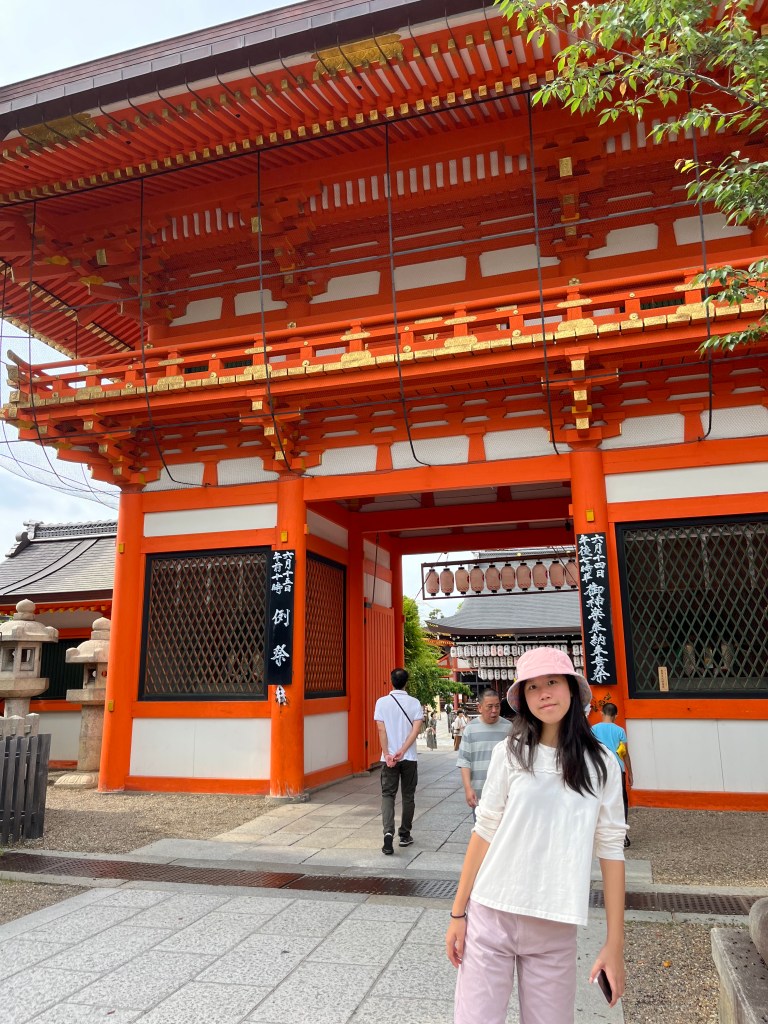
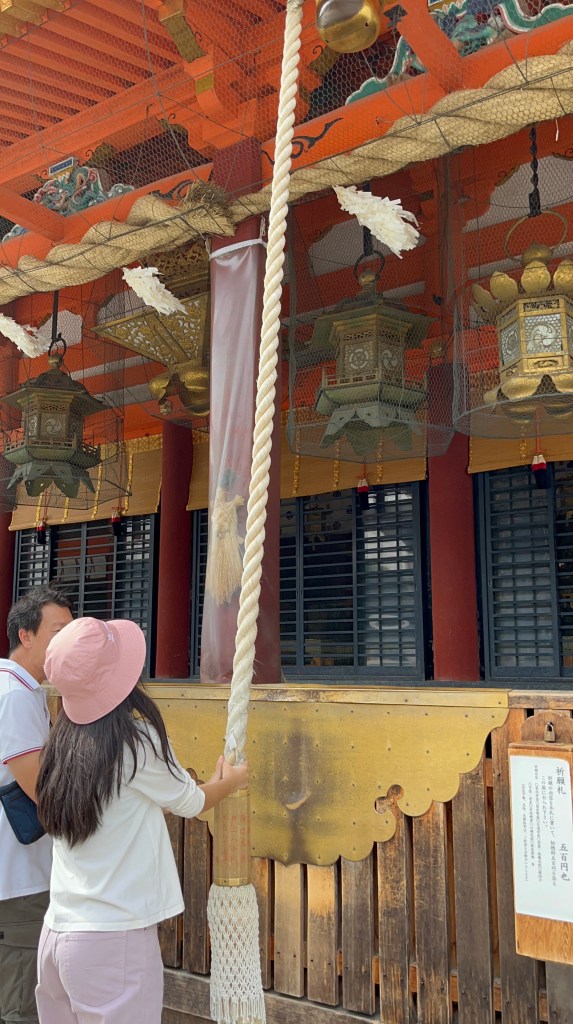
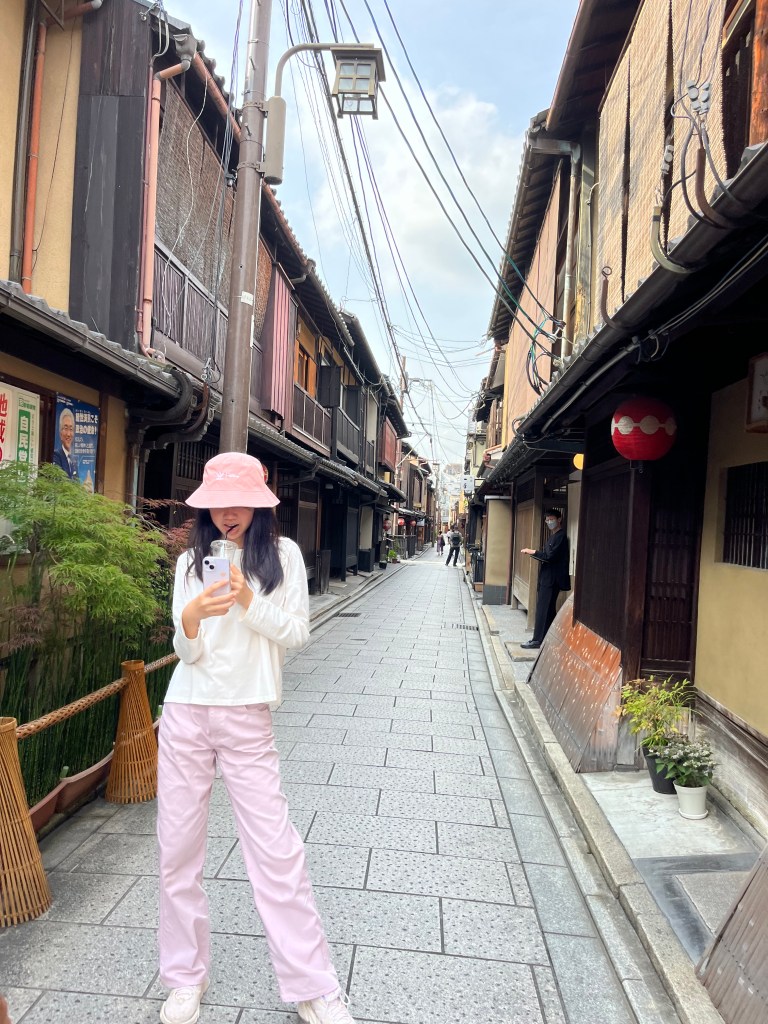
But we were soon at the Yasaka Shrine, which marks the divide between Gion and Higashimaya districts, sitting at the end of Gion Shopping Street. We headed in , paid our respects and came out of the Shrine into the 1km-long Hanamikoji Street, Gion’s most famous street, lined with machiya (traditional townhouses) which have been converted into tea houses and high-end restaurants. A notice here reminded that photography is not allowed.
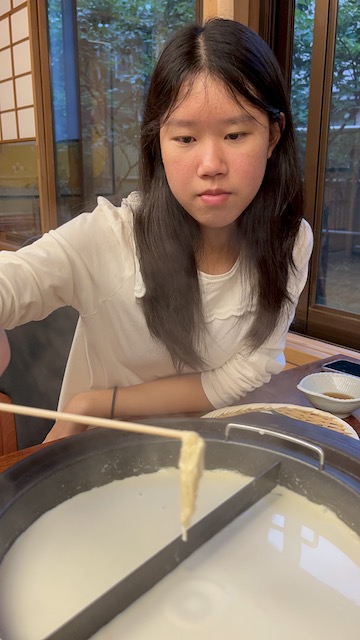
We took a stop at a cafe where we had kakigori before making our way to dinner at Nanzenji Junsei, a spot which serves tofu course and the highlight would be making your own yuba, or soybean sheets that you could use a stick to lift out of a pot of simmering soybean milk.
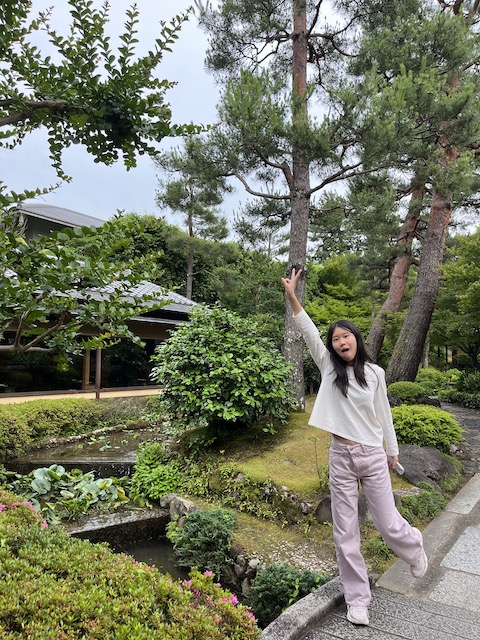
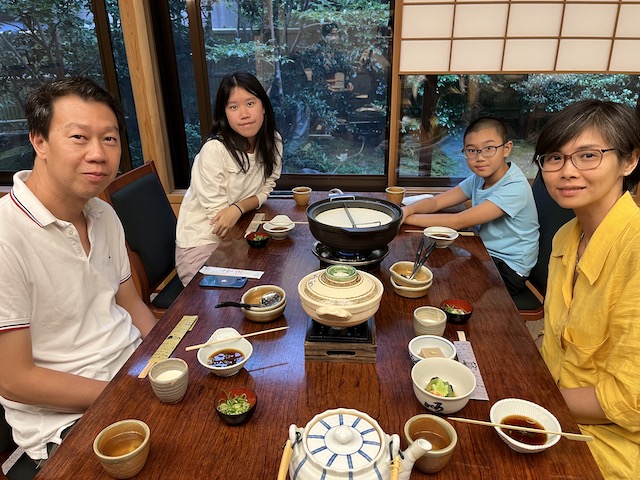
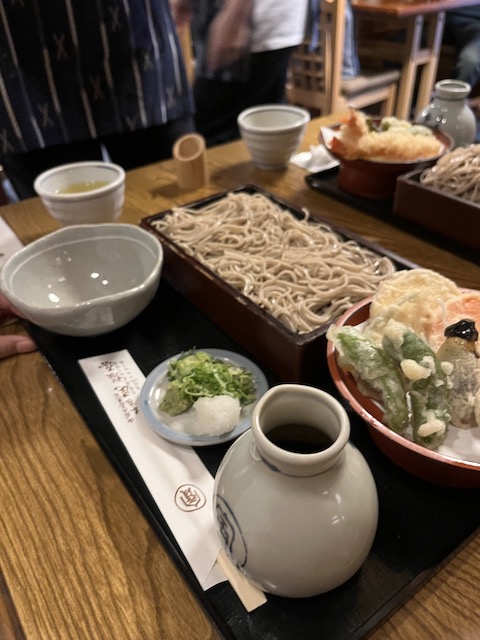
The last 2 days in kyoto, we swopped plans. The next day w had intended to head out to Kurama to do the hike to kibune but switched plans so that we could drive to the airport. So we lunched at an old soba restaurant Honke Owariya which supplied to the Imperial family before strolling to Nishiki market, there was even soba wasabi mochi!
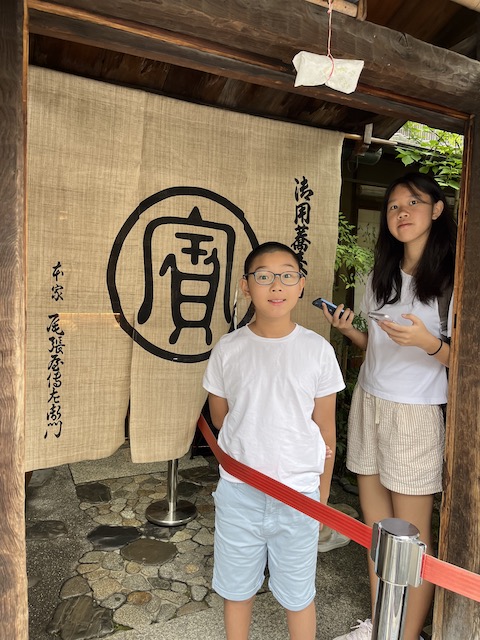
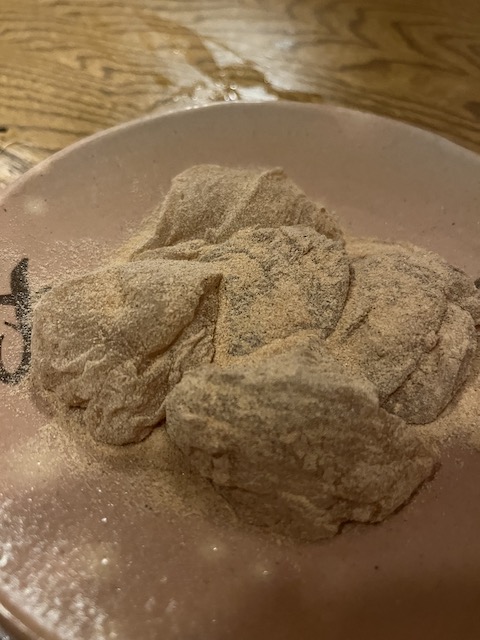
but it wasn’t long before we had to make another stop into one of the best cafes of Kyoto- Saryou Suisen.
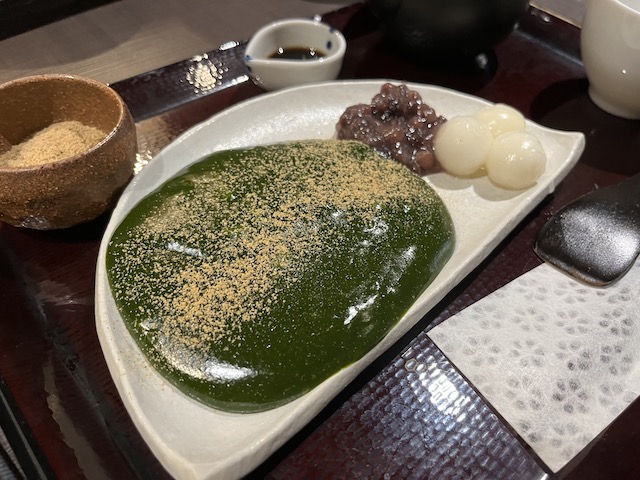
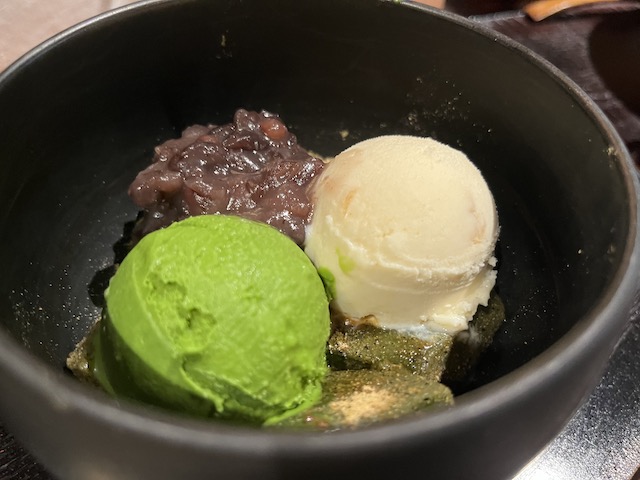
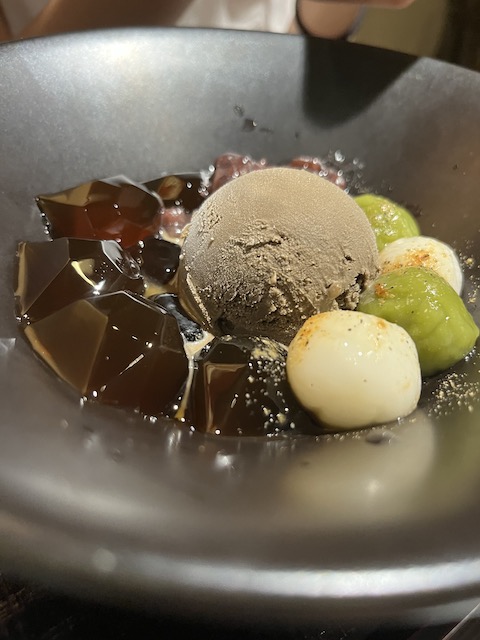
This Kyoto based traditional teahouse, cafe and shop specializing in Japanese matcha desserts serve you really high-quality desserts. They claim to use only the freshest matcha directly harvested from Kyoto surroundings. So we had wasabi mochi and a freshly made hot version with tea, while the kids had cold sweets.
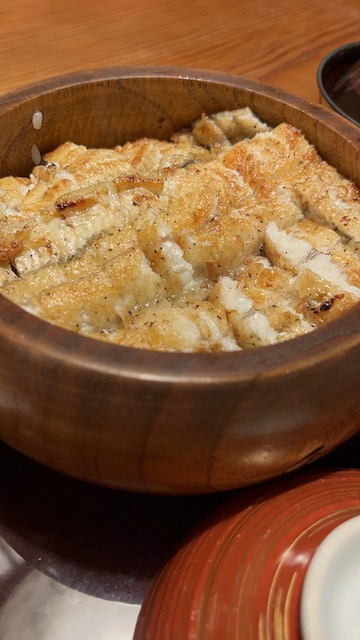
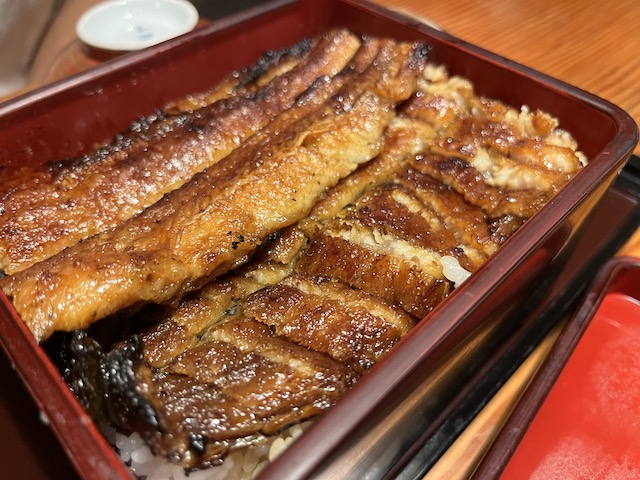
We just shopped along the kawaramachi area and had a very good unagi rice for early dinner nearby at Kyo Unawa
The final day spent in Kyoto was rainy but we checked out early and headed to Kurama in a car, did our hike to kibune hoping to get the nagashi somen, but instead found it not in operation because of the rain.
Thankfully we had breakfast at Yoshuji, a vegetarian restaurant next to Kurama temple before we started our hike.
A drizzle accompanied us on the hike but what was worth remembering were the interesting things that happened during the course.
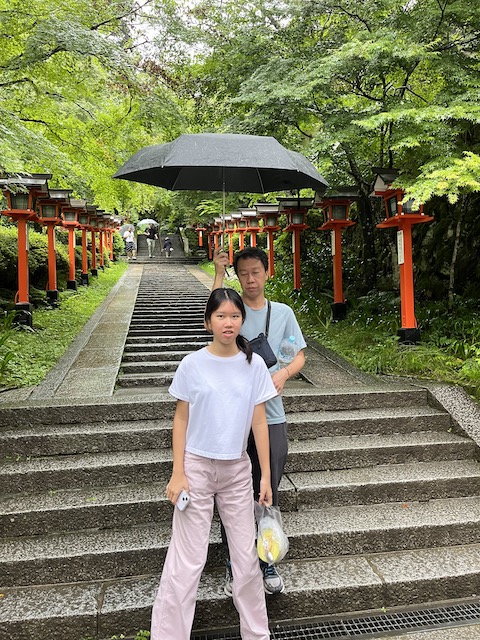
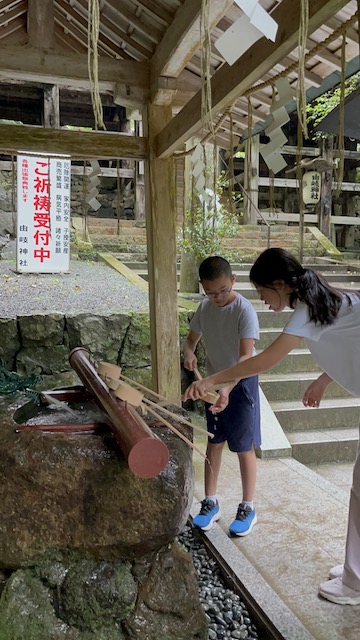
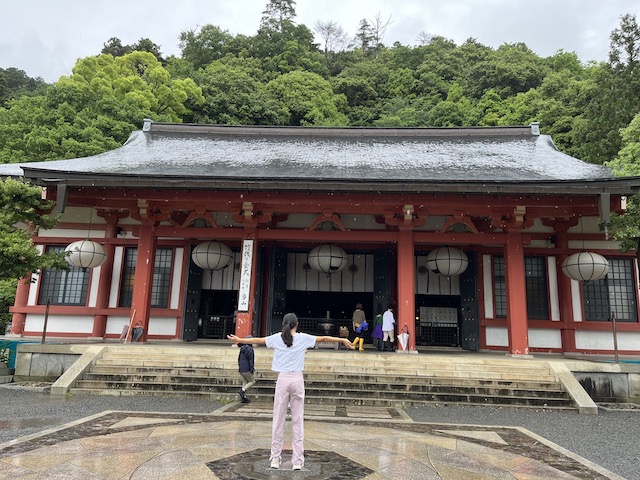
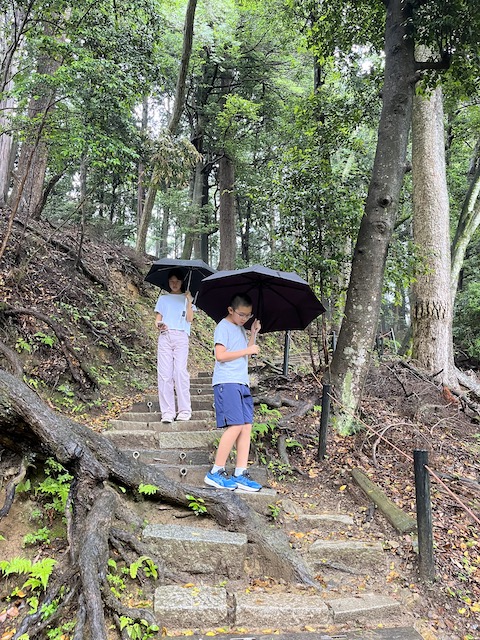
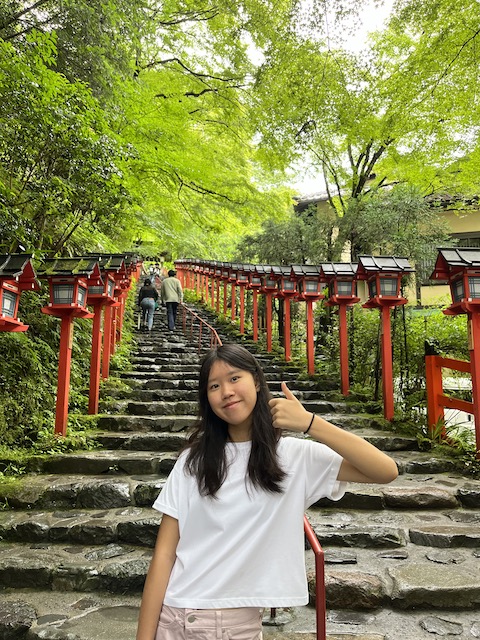
We were actually taught a lesson each by Mt Kurama. Huaihao had a leech on his little finger at the start of the hike -a leech is quite difficult to let go of once it attaches to you, so he had a scare. At another location, Qinzhi slipped and hurt her bum and we had to make a stop.
I hoped Qinzhi received a lesson on mindfulness and the importance of being aware of the surroundings.
Qinzhi cried and got mad of course, we took a rest and I reiki-ed her. The teaching for me was beautiful because while I placed my hands on her, I did with no attachment, whether she felt anything or not, I send my kind wishes to her and trusted that the divine intervened with love for her highest good.
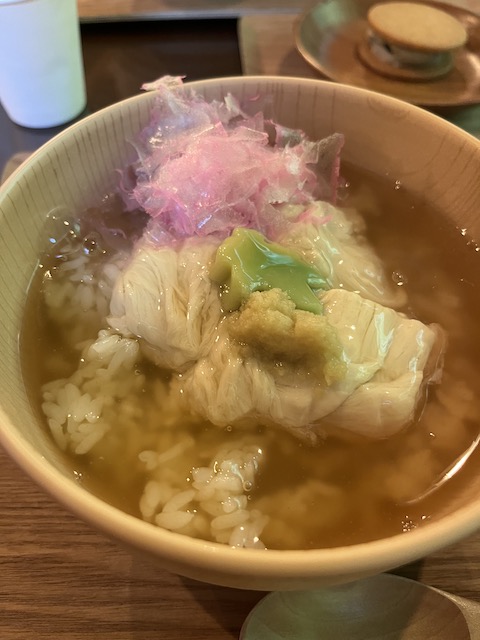
When we got to Kibune, Qinzhi had a lunch of fine yuba rice and we did a quick hike to Kibune jinja before heading back via train to Kurama, got our car and drove to Osaka.
Everyone was tired and slept on the car while daddy drove. It wasn’t long before we got to Rinku and had fun shopping last minute, had a quick dinner and drove to Kansai for our flight back.
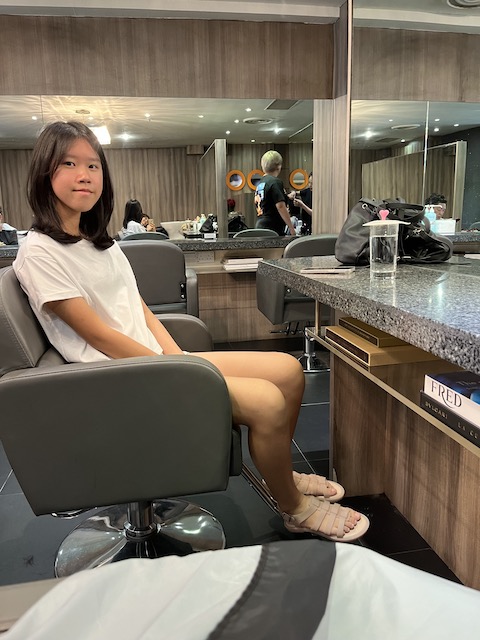
A few days and rested a few days later, Qinzhi had a haircut and she looked so much fresher.
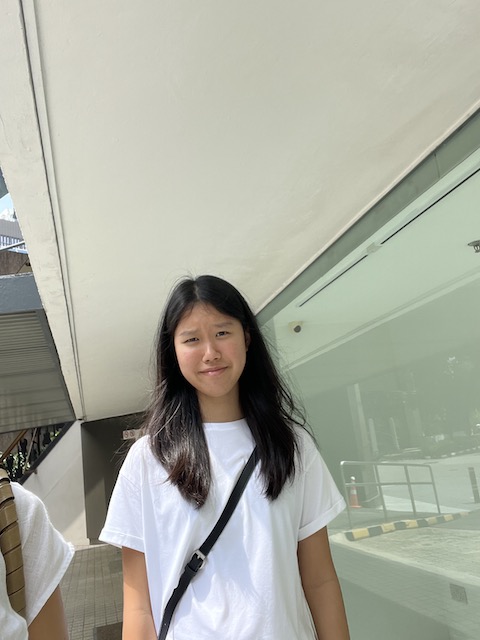
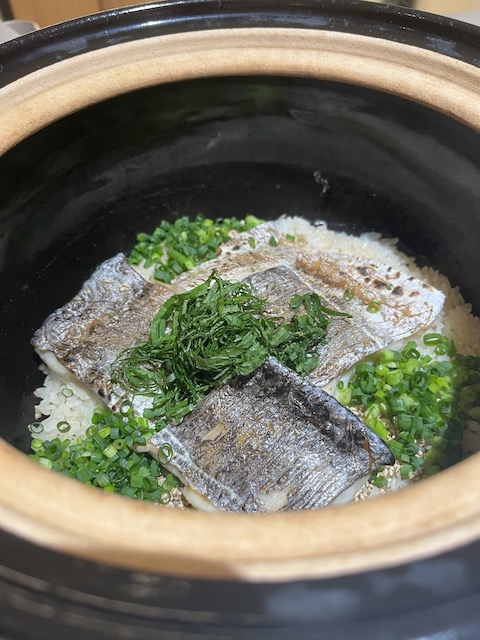
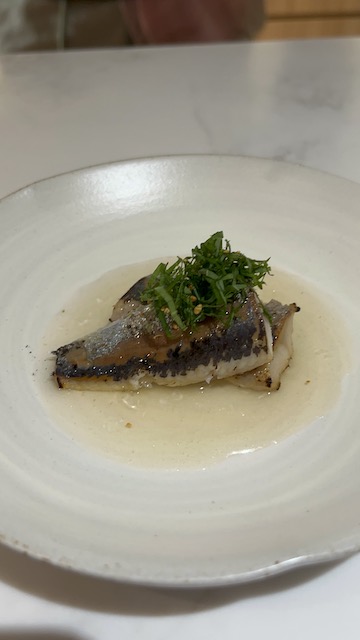
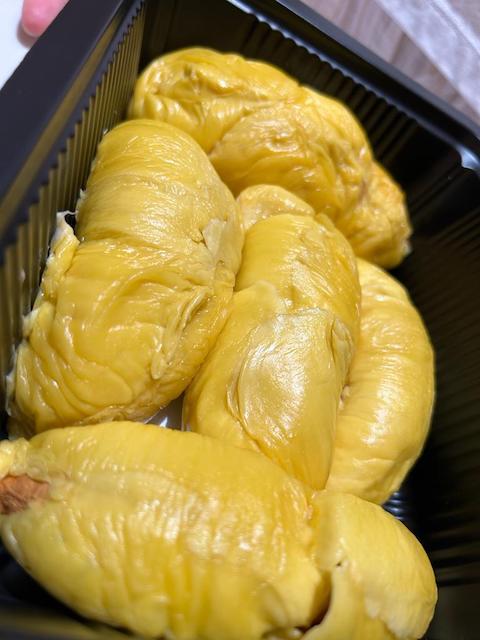
The next we knew, we are all packed and ready for our trip to taiwan with popo and yiyi and grandpa! But before that, first a trip to Gengyan jiujiu’s house where he cooked us a Tachiuo donabe! And we had durian!!!
 Yellownblac's II Weblog